No refresh interval
Web screeners poll on a timer — five seconds, thirty seconds, a minute. Takion is push-driven off a streaming feed. A row re-ranks when the print happens, not when the next poll fires. There is no such thing as a stale scan.
screen · analyse · route · manage
Most traders assemble a stack: a screener subscription, a charting subscription, a broker platform, a locate service. Four vendors, four datasets, four logins, and a copy-paste between each one. Takion is a single platform where the scan that found the symbol and the order that trades it read the same book.
Static screenshots prove the columns exist. Watching a scan re-rank as the tape moves is the part that actually sells it.
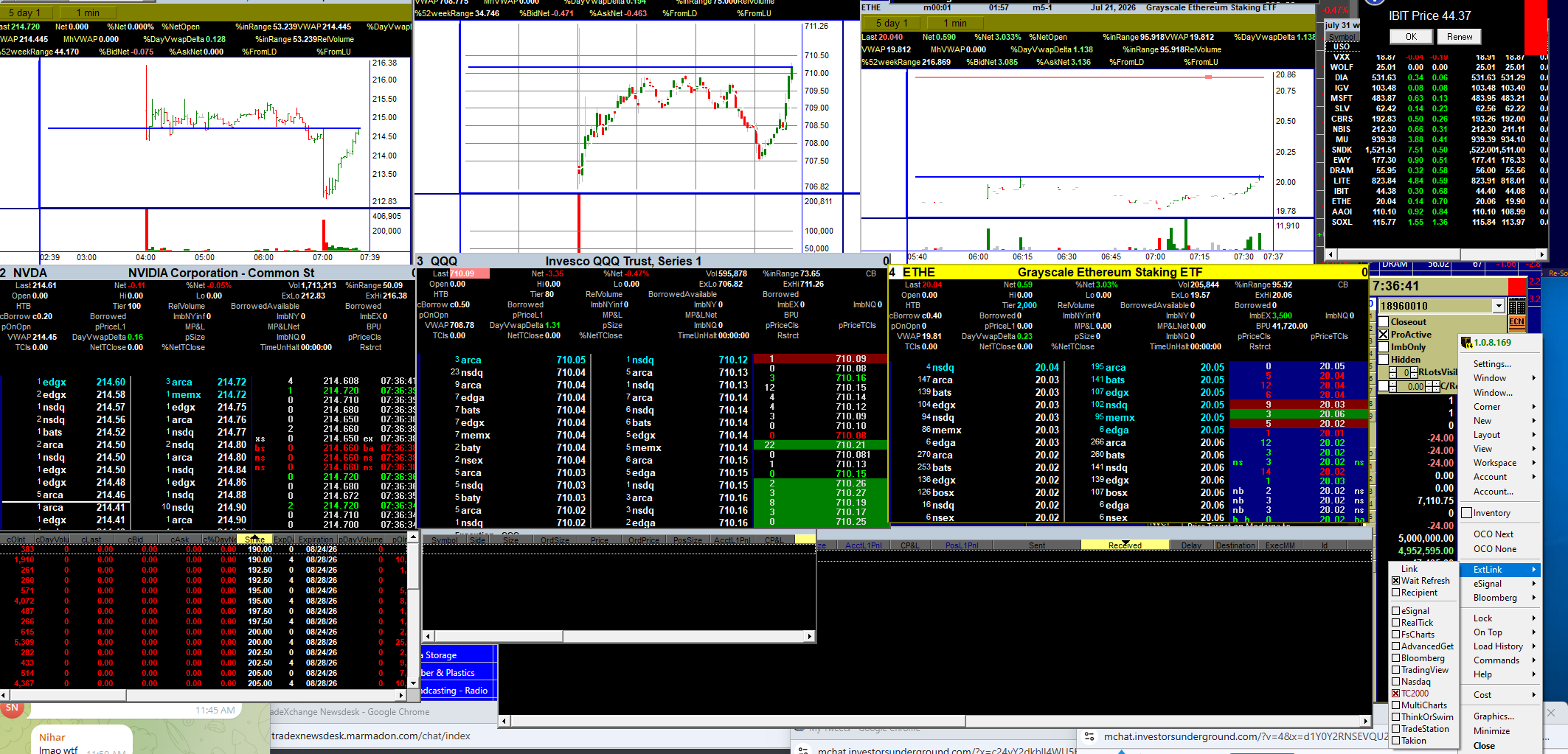
Platform overview, courtesy of Takion Technologies.
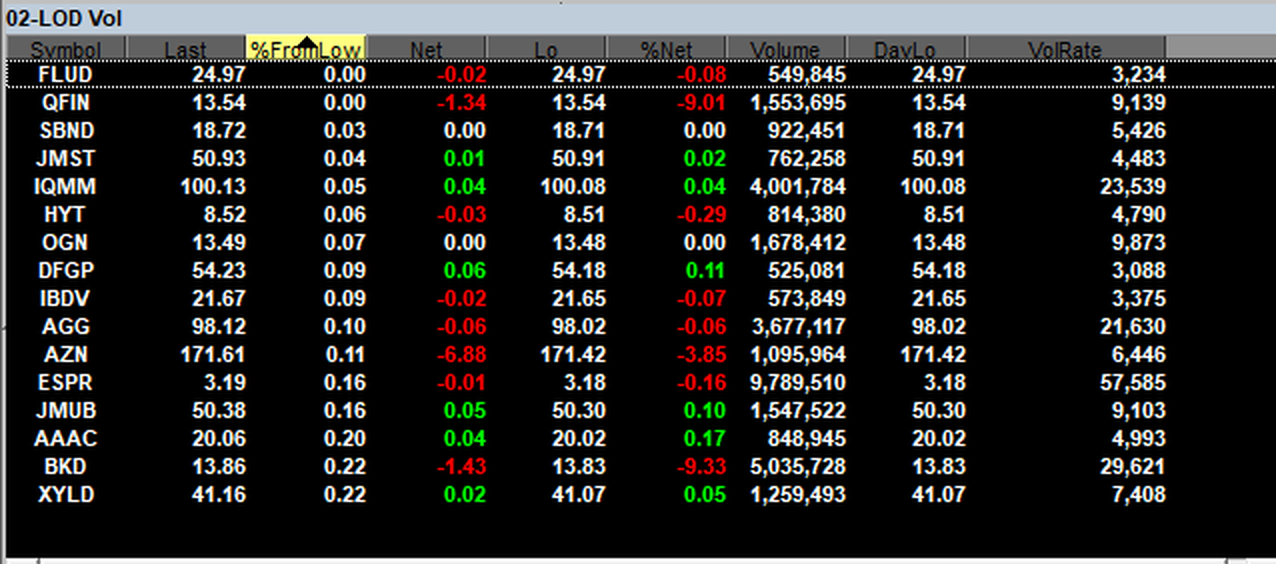
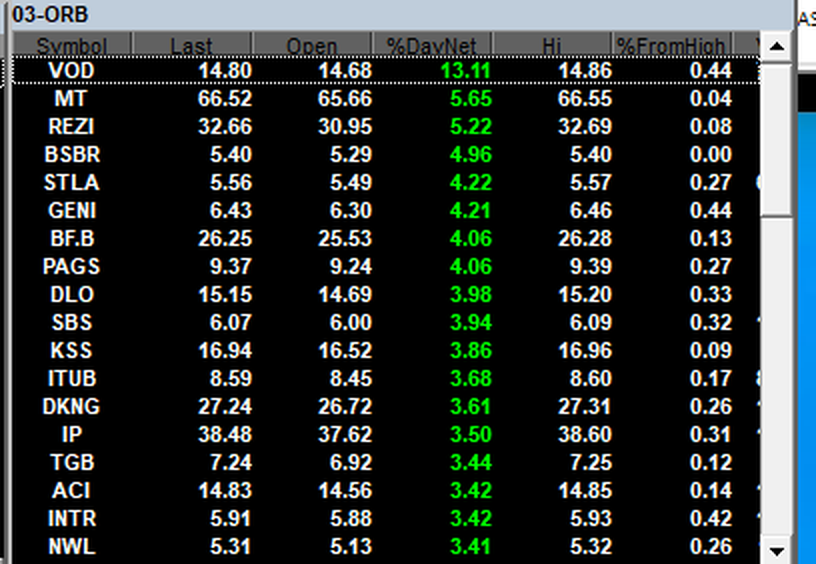
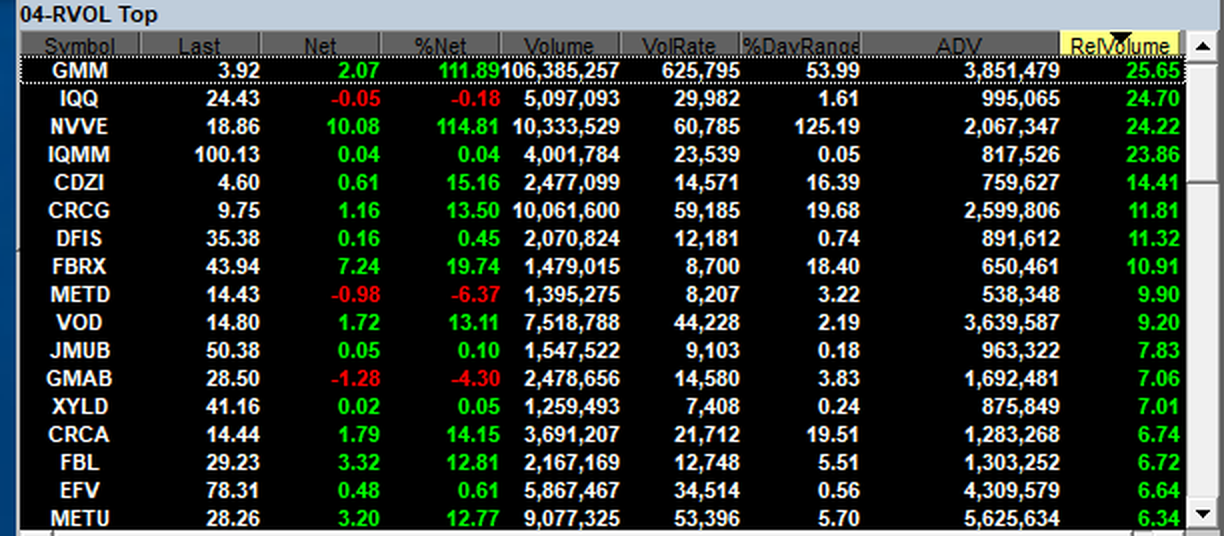
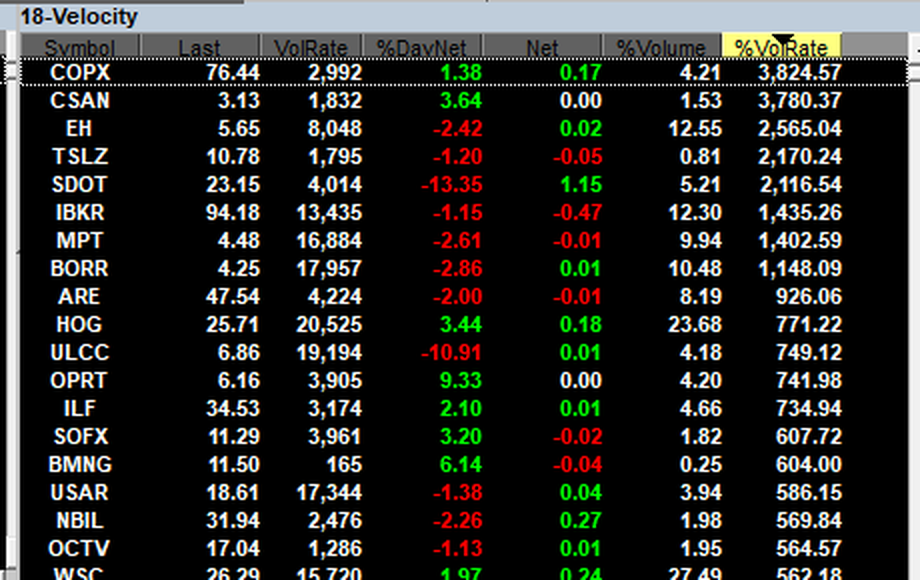
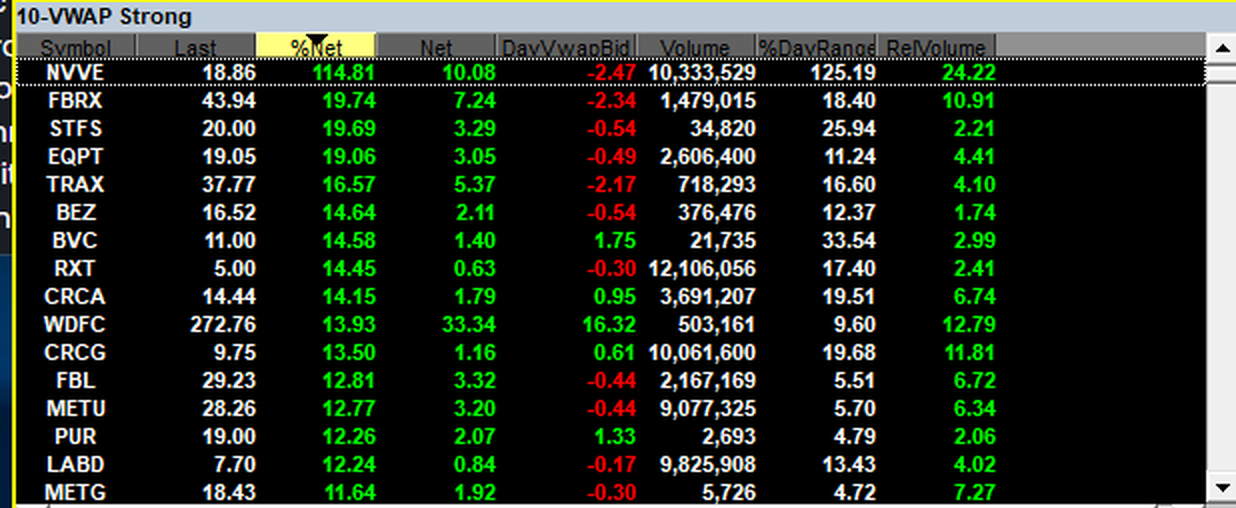
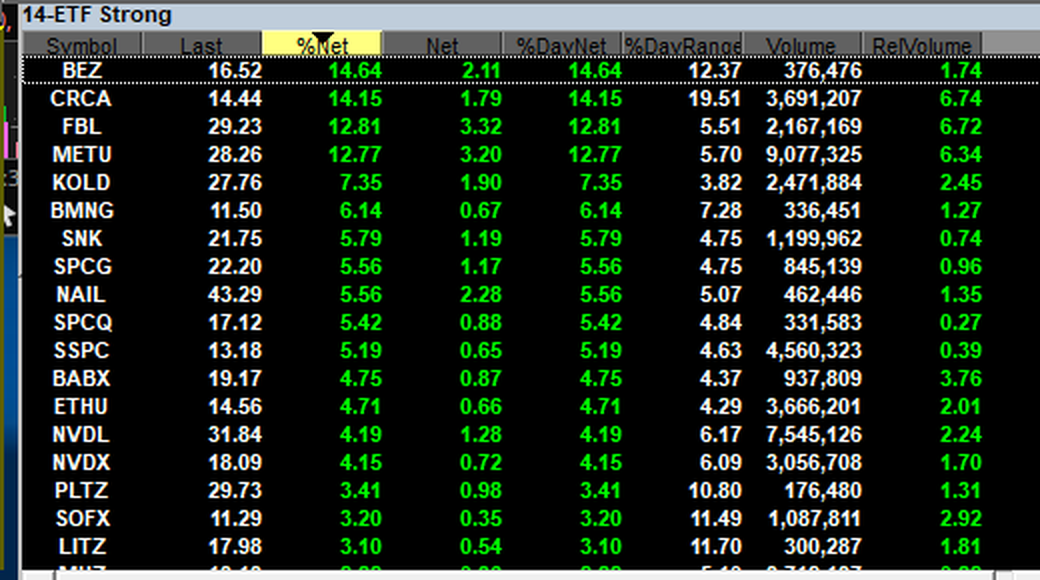
assets/scans-live.mp4 and replace the iframe above — or add it as a second player — with:<video controls preload="metadata" poster="assets/desk-live.png"><source src="assets/scans-live.mp4" type="video/mp4"></video>Eight scans from one live layout, mid-morning. Every window is filtering the entire listed universe independently and re-sorting on every print.
The data is the structural argument. These are the practical ones you notice within an hour of using it.
Web screeners poll on a timer — five seconds, thirty seconds, a minute. Takion is push-driven off a streaming feed. A row re-ranks when the print happens, not when the next poll fires. There is no such thing as a stale scan.
Cloud screeners send your criteria to their server and queue behind everyone else's. Takion filters locally against a pushed feed, so changing a threshold re-evaluates immediately. You can iterate on a scan during the open instead of waiting on a re-query.
With a screener from one vendor and a broker from another, the book you screened on and the book you route into are different datasets. Here they are the same feed, so the price in the scan is the price in the montage.
Most subscriptions meter you — a handful of concurrent scans, more for an upgrade. Forty-two windows here is a hardware question, not a billing one.
No AI scoring model deciding which alerts you deserve. You wrote the conditions, so you can explain every row and reproduce the list tomorrow. That matters when you are reviewing why a scan worked.
Row to montage to hotkey to fill without leaving the window or copying a ticker into another application. The gap between seeing it and being in it is where most of the slippage lives.
The comparison people actually make is not screener against screener. It is a stack against a platform.
The scan library is one window type among many. If you are adding execution to what you already do, this is the rest of what arrives with it.
Route orders directly to your preferred market makers and ECNs, with algorithmic smart order routing behind it.
Full montage and time and sales, built from the same depth feeds the order-flow scans read.
Multiple chart types, timeframes and technical indicators, linked to the scans by symbol.
Analyse chains with in-the-money highlighting alongside the equity book.
Configure your own keys and buttons so an order is one keystroke from the scan row.
Custom alerts on the same field set the scans filter on.
Create, manage and trade custom baskets — useful when a sector scan hands you five names at once.
Positions and live P&L inside the platform rather than in a broker web page.
Market news in the layout, next to the scan that just surfaced the symbol.
Build your own plugins against the platform.
Multiple workspaces and layers, which is how you split 42 scans across pages without one enormous screen.
Desk-level controls for firms running multiple traders on the platform.
Borrow sourcing that feeds the HTB and borrow-cost columns the short scans depend on.
Run the client next to the exchanges rather than over a residential circuit.

A scan surfaces the name, the montage shows the book, the chart link fires, the order goes out, the blotter records it. Nothing leaves the layout.
If you are running the scans alongside another broker today, moving execution onto the same platform is a conversation with Takion rather than a migration project. Market data entitlements carry over; the routing and risk configuration is what gets added.